


Our Advanced Simulation Services
Each service runs on its own deep specialization, and combines seamlessly with the others when your problem refuses to sit in a single box.
Finite Element Analysis (FEA)
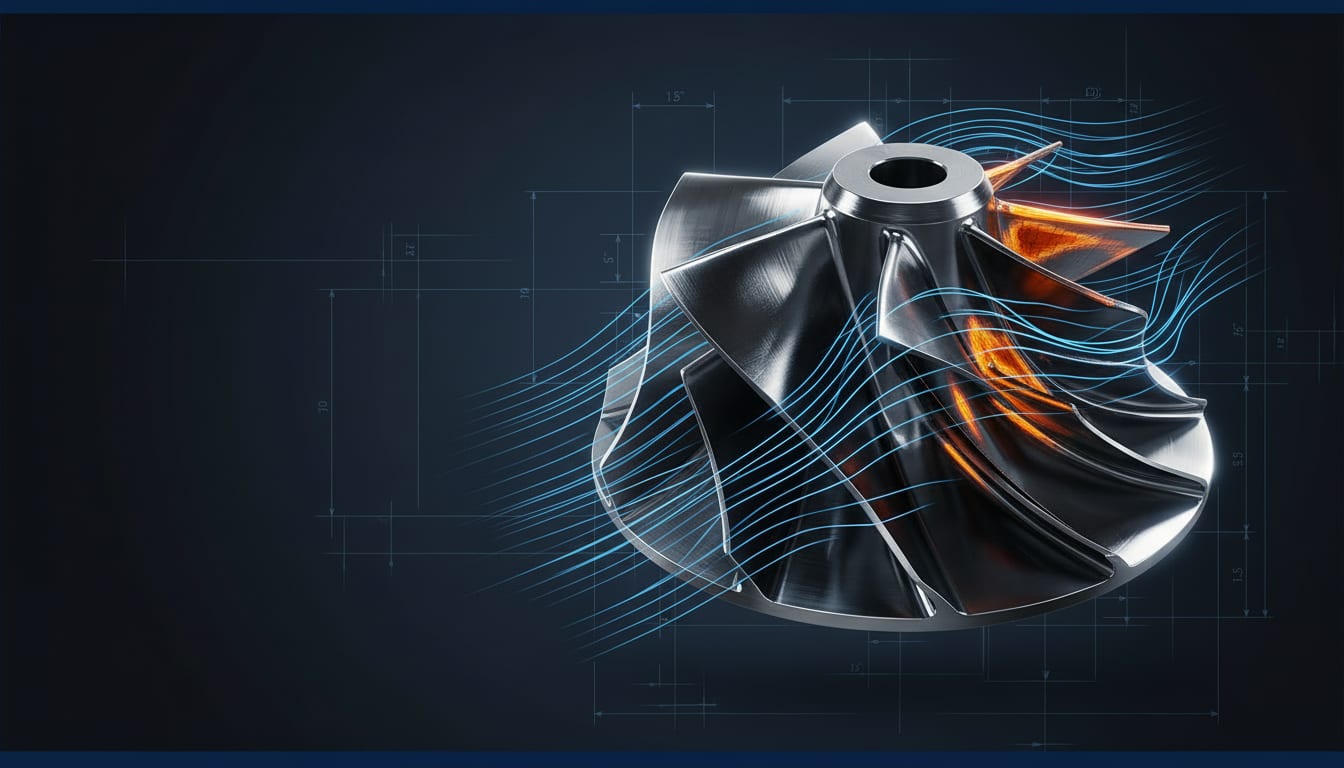
Predict structural behaviour under load, including stress, strain, fatigue, buckling and impact, before a prototype exists. We use linear, nonlinear, and explicit dynamics analysis to locate stress concentrations, predict fatigue life, and confirm safety factors for parts and assemblies.
Computational Fluid Dynamics (CFD)
Simulate airflow, liquid flow, heat transfer and turbulence to perfect aerodynamics, cooling and process efficiency. Typical studies include pressure drop, heat sink and enclosure cooling, HVAC airflow, and external aerodynamics, delivered as clear flow and temperature plots.
Thermal & Multiphysics
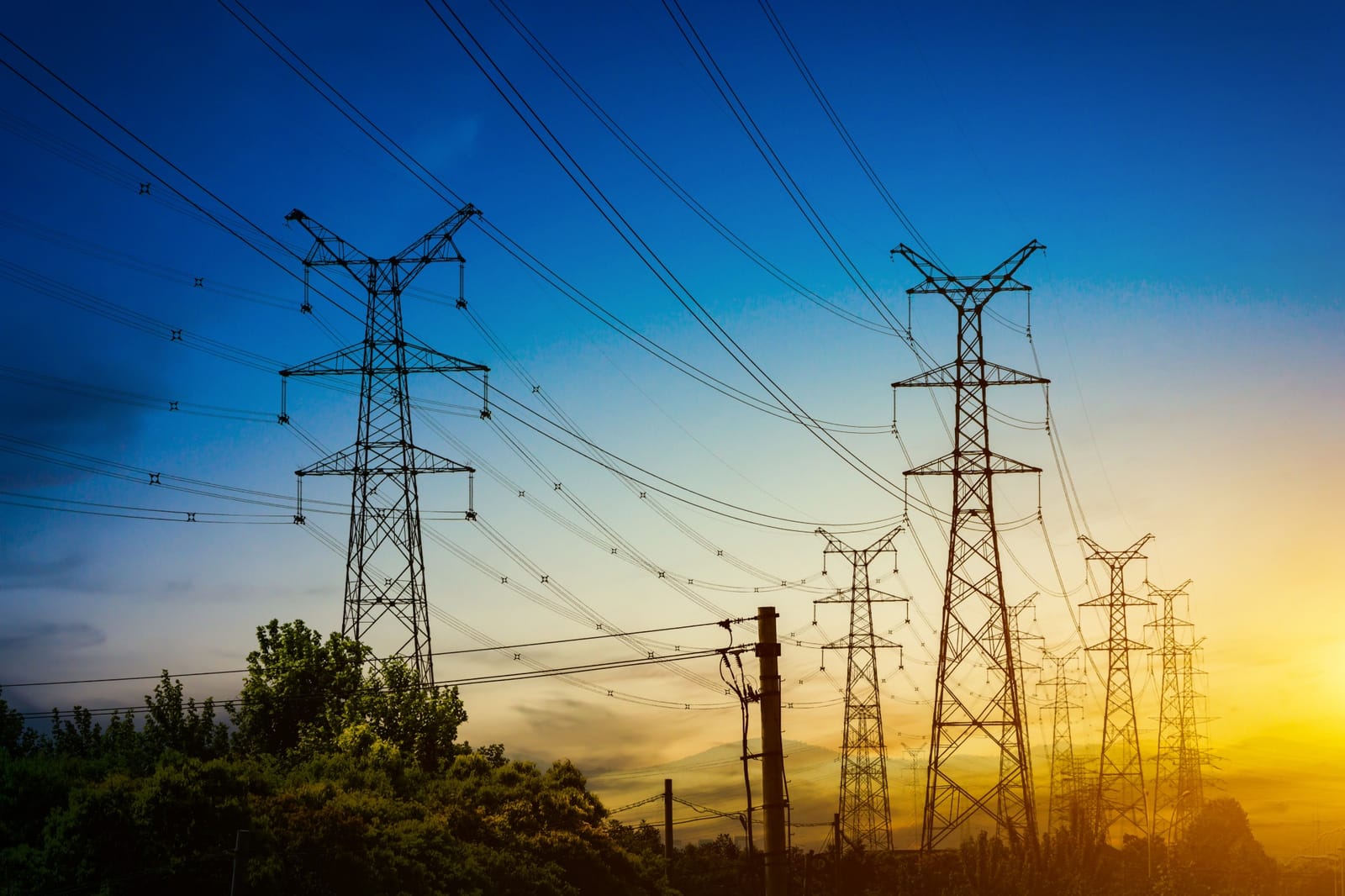
Solve coupled problems where heat, structure and fluid interact, exactly the way they will in your product. Common examples include fluid-structure interaction, thermal stress from uneven heating, and electronics cooling, where solving a single physics would give the wrong answer.
Design Optimization
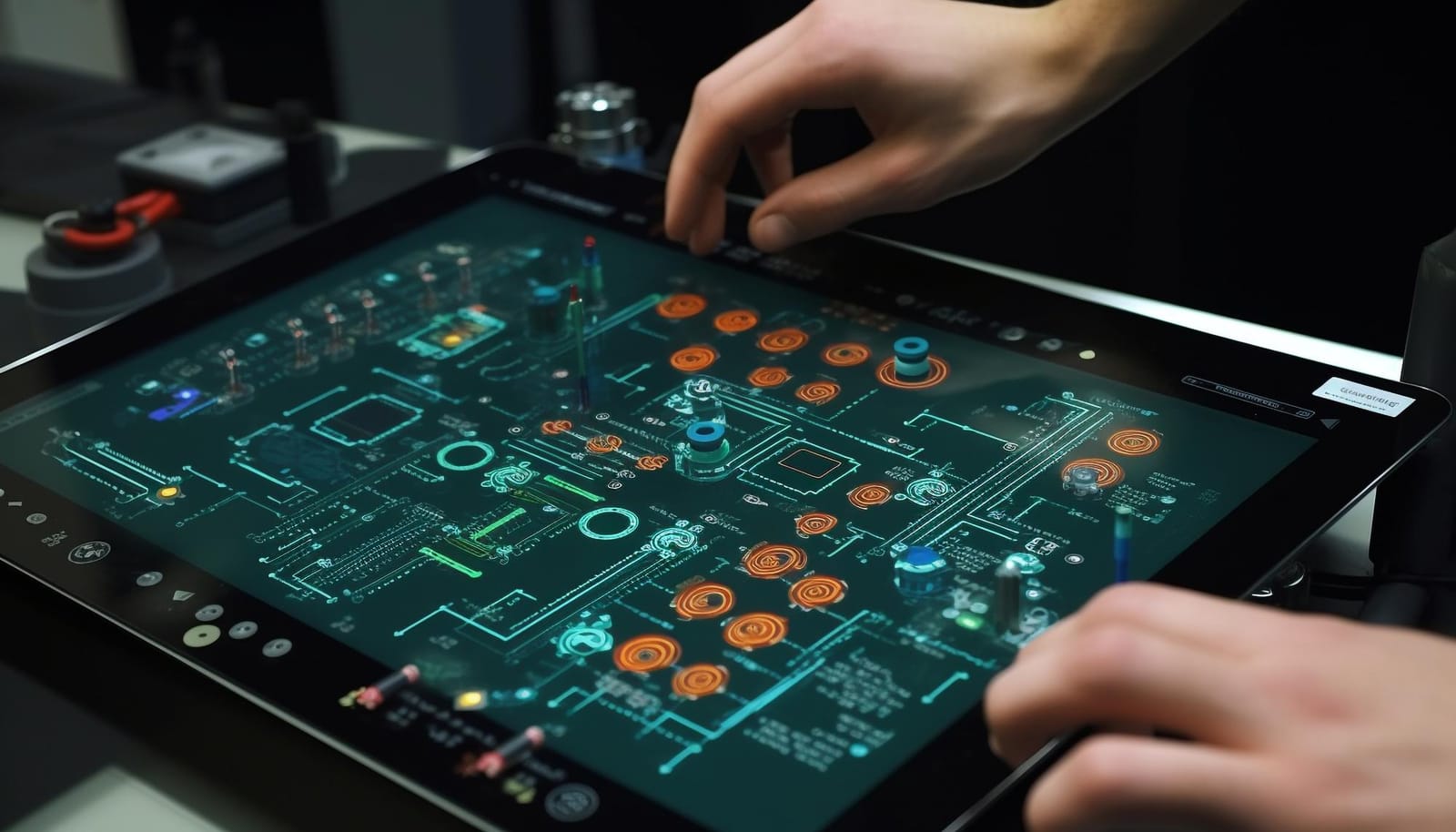
Topology, parametric and generative optimization that finds the lightest, strongest, most efficient version of your design, automatically. Results are returned as manufacturable geometry your design team can build on, rather than a raw concept shape.
Simulation Capabilities: A Complete Toolkit Under One Roof
/ 01
Structural Analysis
Linear and nonlinear static analysis to check stress, deflection, and safety factors, including contact, plasticity, and large deformation.
LINEAR · NON-LINEAR
/ 02
Vibration & NVH
Modal, harmonic, and random vibration analysis to find natural frequencies and prevent resonance, noise, and vibration-related failure.
MODAL · HARMONIC · RANDOM
/ 03
Crash & Impact Testing
Explicit dynamics simulation of drops, collisions, and impact events to predict deformation and energy absorption before physical testing.
EXPLICIT DYNAMICS
/ 04
Acoustic Simulation
Interior and exterior acoustic analysis to predict sound levels and reduce noise from machines, enclosures, and vehicles.
INTERIOR · EXTERIOR
/ 05
Fatigue & Durability
High-cycle and low-cycle fatigue analysis to estimate service life under repeated loading and locate crack-prone areas early.
HIGH-CYCLE · LOW-CYCLE
/ 06
Aerodynamic Studies
External flow simulation to calculate drag, lift, and pressure distribution for vehicles, equipment, and structures.
EXTERNAL FLOW · DRAG
/ 07
HVAC & Ventilation
Airflow, temperature, and air quality simulation for rooms, enclosures, and ventilation systems to improve comfort and efficiency.
COMFORT · AIR QUALITY
/ 08
Composite Material Design
Layup definition and failure analysis for composite parts to balance stiffness, strength, and weight.
LAYUP · FAILURE ANALYSIS
/ 09
Topology Optimization
SIMP and lattice-based optimization that removes unneeded material while keeping the required strength and stiffness.
SIMP · LATTICE
/ 10
Pressure Vessel Certification
Design-by-analysis for pressure vessels following ASME Section VIII requirements, with fully documented results.
ASME SEC VIII
Industries We Support with Engineering Simulation
We apply FEA, CFD, and multiphysics simulation wherever products face structural loads, fluid environments, or thermal gradients in service.

01
Aerospace
Structural, fatigue, and aerodynamic analysis for brackets, housings, and airframe components where weight, strength, and safety margins are critical.

02
Automotive
Crash, impact, NVH, durability, and thermal simulation for vehicle components and assemblies, reducing the number of physical test loops.

03
Oil & Gas
Pressure vessel, piping, and flow analysis for equipment operating under high pressure, high temperature, and corrosive conditions.

04
Heavy Machinery
Structural, fatigue, and vibration analysis for frames, booms, and weldments that carry heavy cyclic loads in the field.

05
Medical Devices
Structural and flow simulation for device components to support design verification and reduce late-stage design changes.

06
Energy & Power
Thermal, CFD, and structural analysis for turbines, heat exchangers, and power equipment to improve efficiency and service life.
What Simulation Changes in Your Development Cycle
60
%
FASTER TIME TO MARKET
40
%
LOWER PROTOTYPING COST
5
×
MORE ITERATIONS SAME SCHEDULE
100
%
COMPLIANCE WITH ASME · ISO · ASTM
How Our Simulation Process Works
Every simulation project follows five clear steps, so you know what we need from you, what happens at each stage, and what you receive at the end.
01
DISCOVER
Define the question.
We review your goals, loads, operating environment, and pass/fail criteria, then agree on the simulation scope before any modeling starts.
02
MODEL
Build the digital twin.
We clean up your CAD geometry, build the mesh, and assign materials, contacts, and boundary conditions that reflect real operating conditions.
03
SIMULATE
Run the physics.
We run the analysis on industry-grade solvers using high-performance computing and check results for mesh convergence and physical accuracy.
04
OPTIMIZE
Iterate intelligently.
Where results fall short, we test changes to geometry, material, or wall thickness and show how each option affects performance and cost.
05
REPORT
Deliver the answer.
You receive a clear report with result plots, stated assumptions, and a direct engineering recommendation your team can act on.
Simulation Software and Solvers We Use
No favourite tool, no licensing lock-in. We pick the right solver for the right problem, and we own the licence so you don't have to.
Why Engineering Teams Choose DevWorks for Simulation
01

PhD-level talent. No outsourcing the hard parts.
Our analysts hold advanced degrees in mechanical, aerospace and computational engineering, and they personally own your project from kick-off to delivery.
02

Global delivery. Your project never sleeps.
Distributed teams across three time zones mean your simulation queue runs around the clock. You file at 6 PM; you have results by 9 AM.
03

IP-safe by default. Not on request.
NDAs, encrypted file exchange and segregated project environments, the security architecture is built in, not bolted on.
04

Design and Simulation Under One Roof
Because DevWorks also provides mechanical engineering design and CAD design services, the same team can apply simulation findings directly to your models and drawings, instead of handing you a report for someone else to interpret.
Frequently Asked Questions
Advanced simulation services use FEA, CFD, and multiphysics software to predict how a product will perform under real loads, heat, and flow before it is built. This lets engineers fix weak points and validate designs with fewer physical prototypes.
FEA (finite element analysis) predicts how solid parts respond to forces, vibration, and heat, including stress, deformation, and fatigue. CFD (computational fluid dynamics) predicts how liquids and gases flow, including pressure drop, cooling, and aerodynamics.
Accuracy depends on the quality of the inputs. With correct material data, realistic boundary conditions, and a converged mesh, simulation closely predicts real behavior, and we can correlate models against your physical test data to confirm it.
We need your 3D CAD files, material specifications, operating loads or conditions, and your acceptance criteria. If you have physical test data, we can use it to validate the model.
It depends on model complexity and the number of load cases. We confirm the timeline in your proposal after reviewing your CAD files and requirements.
Yes. Simulation lets you test and compare design options digitally, so physical prototypes confirm performance instead of discovering problems.
No. DevWorks owns licences for ANSYS, Abaqus, STAR-CCM+, LS-DYNA, COMSOL, and other solvers, so you don't need to buy or maintain simulation software.
Yes. We perform design-by-analysis for pressure vessels following ASME Section VIII requirements and provide fully documented results.